
How To Grow A Kratom Tree At Home
The Kratom tree has been gaining popularity since 2016 as a result of the substantial coverage it has received in both local and national media. Nonetheless, those who are interested in learning more about the plant have found several advantages. Some of those who regularly consume Kratom have gone one step further and are making an effort to cultivate their own Kratom tree. This article will provide useful details on how to develop a Kratom tree and what knowledge a gardener should have to succeed.
Numerous individuals want to lead self-sufficient, environmentally conscious lives. You feed yourself with fruits, vegetables, and herbs that you raise yourself by doing this. Of course, if you’re a kratom fan, consider including the plant in your garden. Before you plant your kratom seedlings, make sure you read this!
Kratom, sometimes referred to as Mitragayna Speciosa is the largest health craze of the century. To be quite honest, producing Bedrock Botanicals kratom powder at home is difficult, it deserves all the spotlight and attention, but growing kratom at home isn’t easy at all.
As such, to help you along the way while cultivating Kratom at home, we have put together this extensive guide to provide you with all the necessary knowledge, resources, tools, and instruction. Let’s begin with these fascinating anecdotes:
A Few Fast Pointers To Bear In Mind
- Above all, make plans at home as soon as possible; don’t wait to do so until you get the seeds, seedlings, or plants. Before placing your purchase for kratom seeds, have everything ready and get started. To prevent them from wilting and dying while you are setting everything up, it is thus important to prepare everything in advance.
- The second most crucial piece of advice is to always cultivate your kratom indoors. While you can grow it outside, doing so in a non-tropical environment will be difficult and yield little to no benefits.
- Lastly, it is important to remember that Kratom originates from the verdant jungles of Southeast Asia, namely the rainforests of Indonesia and Malaysia. The plant is used to the warm, humid weather found in rainforests, readily replicated inside with the correct equipment.
Let’s move on to the specifics.
Planting Material
Before beginning your gardening adventure, decide between seeds and cuttings.
Since you have to wait for germination, the former requires more time and resources. Only approximately 20% of kratom seeds germinate and grow into healthy plants, according to some producers.
You may buy cuttings from nurseries or reputable breeders to avoid having to root them yourself. Cuttings eliminate waiting for them to germinate, saving you time and money.
Soil
Rich soil is one of the key reasons kratom thrives in Indonesia and other parts of Southeast Asia. For the trees to flourish to their full capacity, they need a growth medium that is rich in humus and fertile. To provide the ideal circumstances for germination, the soil should be wet and have minimal drainage when cultivating kratom from seeds.
Neutral soil with a pH of 5.5 to 6.5 is ideal for growing kratom. A diet low in important nutrients such as potassium, phosphorus, and nitrogen is the result of excessive acidity.
Water And Nutrients
In tropical rainforests, kratom trees enjoy an abundance of rainfall, sunshine, and organic nutrients. When growing this plant, mimic these environmental factors to promote development. It is a heavy feeder that needs micro- and macronutrients regularly.
More nutrients are needed by a mature kratom tree to sustain its enormous growth, enhance output, and strengthen its resistance to pests and diseases. Apply a fertilizer to the soil that is rich in potassium, phosphorus, and nitrogen.
Although kratom needs a steady supply of water, the growing medium has to have good drainage to prevent water-logging problems. Add water before the soil dries up to avoid dehydration, which might cause the tree to wither and die.
To mature, plants require water and nutrients, enough sunlight, and a few hours of darkness. If you don’t live in a region with similar environmental conditions, you may grow kratom inside under the right circumstances.
Light
In its native environments, kratom plants get enough sunshine all year round. The jungles offer enough darkness and shade as well.
Those who cultivate inside should purchase appropriate growth bulbs. Some add HPS lights, which release the correct intensity the trees need, although they are more expensive and energy-intensive. Modern LED lamps are more efficient and can save energy costs, so give them a try.
Humidity
Depending on the season, moderate to high humidity is seen in kratom-growing regions such as Thailand and Indonesia. For best results, keep the circumstances comparable while growing these trees indoors.
Kraton leaves are smooth and healthy when there is high humidity. Lower down, the foliage can become abrasive and discoloured. You can measure the quantity of moisture in the air with the use of a digital hygrometer.
Purchase a dehumidifier to reduce the grow room’s humidity. Keep the relative humidity at 70% or above. Increase the humidity in the air by using a humidifier.
Growing Kratom At Home
Okay, you have the space, be it a specific greenhouse or a room in your home. And they’re ready as well! The soil is prepared, the lights are configured, and you know what to do with the irrigation system. Let’s now discuss the seeds.
Podheads from kratom plants typically contain 50 seeds apiece. There is a 20% chance that fresh seeds may develop into seedlings. It represents around 10 of every 50 seeds. However, if you wait to plant them, the ratio significantly decreases. So, just a gentle reminder to organize and prepare everything before you purchase the seeds.
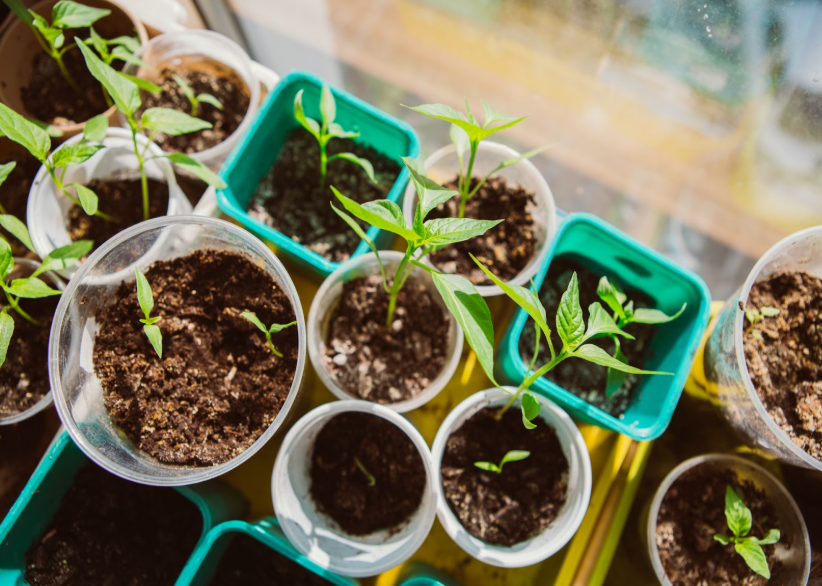
The next step is to sow five to ten seeds in each container. Unwind! Although this may sound like a lot, there is extremely little chance that every seed will sprout. As a result, the majority of the seeds that eventually sprout in the pot will have ample space to expand. In the extremely unusual event that too many seedlings emerge in one container, you may easily move them to a new location.
Not sure how to go about it? Place the seeds in the ground and lightly cover them with dirt. You must protect those sprouts from direct sunlight at this point and keep them wet under a plastic bag, plastic container, or humidity dome.
Get the seedlings acclimated to bright sunshine, fresh air, and reduced humidity gradually. Remember that once the roots begin to appear, the process should be gradual, involving tiny excavations over the following two weeks. As a result, as seedlings develop into plants, they can adapt and become used to their new surroundings.
Want To Try One Of Best Kratom Brand Third Eye Kratom Capsules Click Here
Getting A Headstart With Seedlings And Grown Plants
Instead of beginning from seeds, you may instead germinate a seedling or baby plant to have your own home-grown Kratom plant.
Assuming that you have placed an order for seedlings. They would need to be moved to a damp container filled with peat moss or any other media of your choosing. After that, all you need to do is tend to the seedlings in the same manner as you would if you had begun with seeds.
Similarly, if you start with a plant, keep it out of direct sunshine for the following two days. After covering them with plastic, gradually remove it over the following week or two to let them get used to their new home.


